Alaska Vintage Mountain Bear Design: Capturing The Last Frontier
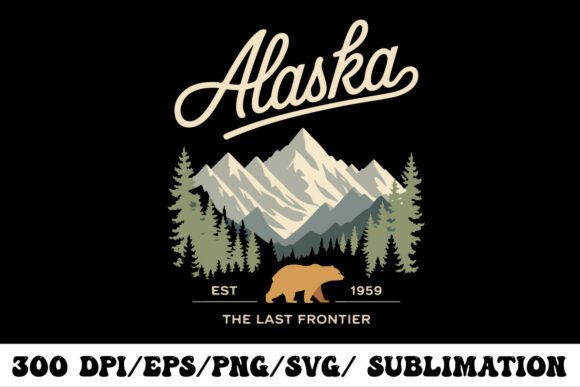
There’s something magnetic about Alaska’s wild spirit—the towering peaks, endless forests, and the quiet power of a bear moving through its domain. The Alaska Vintage Mountain Bear Design distills that feeling into a single, striking graphic. It blends retro aesthetics with the raw beauty of the wilderness, creating artwork that feels both nostalgic and timeless. Whether you're designing merchandise, building a brand, or crafting social media content, this style offers a versatile foundation that resonates with adventurers and nature lovers alike.
Why This Design Style Connects So Deeply
What makes this vintage-inspired approach so effective? It’s the balance between simplicity and storytelling. The mountain silhouettes, the textured evergreen forests, and the iconic bear outline work together to evoke a sense of place without overwhelming the viewer. There’s an emotional pull here—this isn’t just a graphic; it’s an invitation to explore. For designers and creators, that emotional resonance is gold. It transforms a simple t-shirt into a statement piece, a poster into a conversation starter, and a brand identity into something people genuinely remember.
The retro treatment adds another layer. Distressed textures, muted color palettes, and classic typography give the design a handcrafted, authentic feel. It avoids the over-polished look that can sometimes feel impersonal. Instead, it feels earned, like something you’d find in a vintage outfitter’s shop or a well-loved national park poster. This authenticity is crucial for connecting with audiences who value real experiences over mass-produced aesthetics.
Practical Applications Across Creative Projects
The true strength of the Alaska Vintage Mountain Bear Design lies in its versatility. It’s not confined to one medium or one industry. Let’s break down how you can apply it effectively.
Branding and Logo Development
For outdoor brands, travel companies, or local Alaskan businesses, this design serves as a powerful foundational element. It can be adapted into a logo mark, used on packaging, or featured prominently on a website header. The key is consistency. When the same visual language appears across your business cards, product tags, and social media profiles, it builds instant recognition. Customers begin to associate that mountain-bear imagery with your specific values: adventure, authenticity, and a respect for nature.
Merchandise and Apparel
This is where the design truly shines. Imagine it on a soft, worn-in t-shirt. The vintage texture translates beautifully to screen printing or direct-to-garment methods. It works on hoodies, hats, tote bags, and stickers. For small business owners selling at craft fairs or online marketplaces, a cohesive collection built around this theme can create a strong, recognizable product line. The design appeals to hikers, travelers, and anyone who carries a piece of the wilderness in their heart.
Print and Editorial Design
Think beyond the obvious. This artwork can anchor a magazine layout about national parks, enhance a travel blog’s featured image, or add visual weight to a poster for a local hiking event. In editorial design, it provides a strong visual hook that draws readers in. Pair it with a clean, modern sans serif font for body text to create a beautiful contrast between the vintage graphic and contemporary readability.
Digital Presence and Social Media
On platforms like Instagram or Pinterest, visual impact is everything. A well-crafted graphic using this design can stop the scroll. Use it as a profile picture, a story highlight cover, or the central image for a marketing campaign. The timeless quality means it won’t look dated next season. For content creators, it provides a consistent visual theme that makes your feed look curated and professional, which is a key part of building audience trust and engagement.
Integrating the Design into Your Visual Strategy
Simply having a great graphic isn’t enough. How you integrate it determines its success. Start by considering your overall brand identity. What emotions do you want to evoke? The Alaska design communicates ruggedness, freedom, and exploration. If that aligns with your message, you’re on the right track.
Next, think about typography. This is where font pairing becomes critical. A vintage-inspired design often pairs well with a complementary typeface. A sturdy, slightly weathered serif font can enhance the classic feel. Alternatively, a simple, bold sans serif can provide a clean, modern counterpoint that ensures readability in digital contexts. Avoid overly ornate or script fonts, as they can clash with the graphic’s strong, natural forms and reduce legibility, especially on smaller screens.
Color is your next lever. The design might come in a classic palette of forest greens, slate grays, and earthy browns. You can stick with that for an authentic look, or adapt it to monochrome for a more versatile, modern application. Test different color treatments on mockups—see how it looks on a dark background versus a light one, on fabric versus paper.
Making It Work for Your Specific Goals
Your application of this design should be guided by your end goal. Are you creating a one-off poster for a local event? Then you might maximize the detail and use the full-color palette. Are you developing a brand identity system? Then you might use a simplified, single-color version of the bear silhouette as a secondary mark, with the full scene reserved for hero imagery.
Always consider the context. A design that looks magnificent on a 24x36 poster might lose its impact when shrunk to a 1-inch square on a business card. This is where testing is non-negotiable. View your designs at actual size, on different devices, and in print proofs. Check the readability of any accompanying text. Ensure the core elements—the mountains, the trees, the bear—remain clear and effective.
Finally, be mindful of licensing if you’re using this for commercial projects. Ensure you have the proper rights to use the design on products for sale, in client work, or across digital platforms. Respecting the original creator’s terms is not just ethical; it protects your business from legal issues down the line.
The Alaska Vintage Mountain Bear Design is more than a piece of clip art. It’s a visual shorthand for a powerful idea. When used thoughtfully, it can elevate your projects, connect with your audience on an emotional level, and give your work a distinct, professional edge that stands the test of time. It’s a tool for telling a better story—and in a crowded visual landscape, a good story is what makes people stop, look, and remember.